Imagining future worlds, inspiring today’s design thinking.

Contributors
- Darren Andrews (Associate)
- Stephanie Hogarth (Operations Manager)
- Anna Doroba (Architect)
- Parinaz Haghdoust (Architectural Assistant)
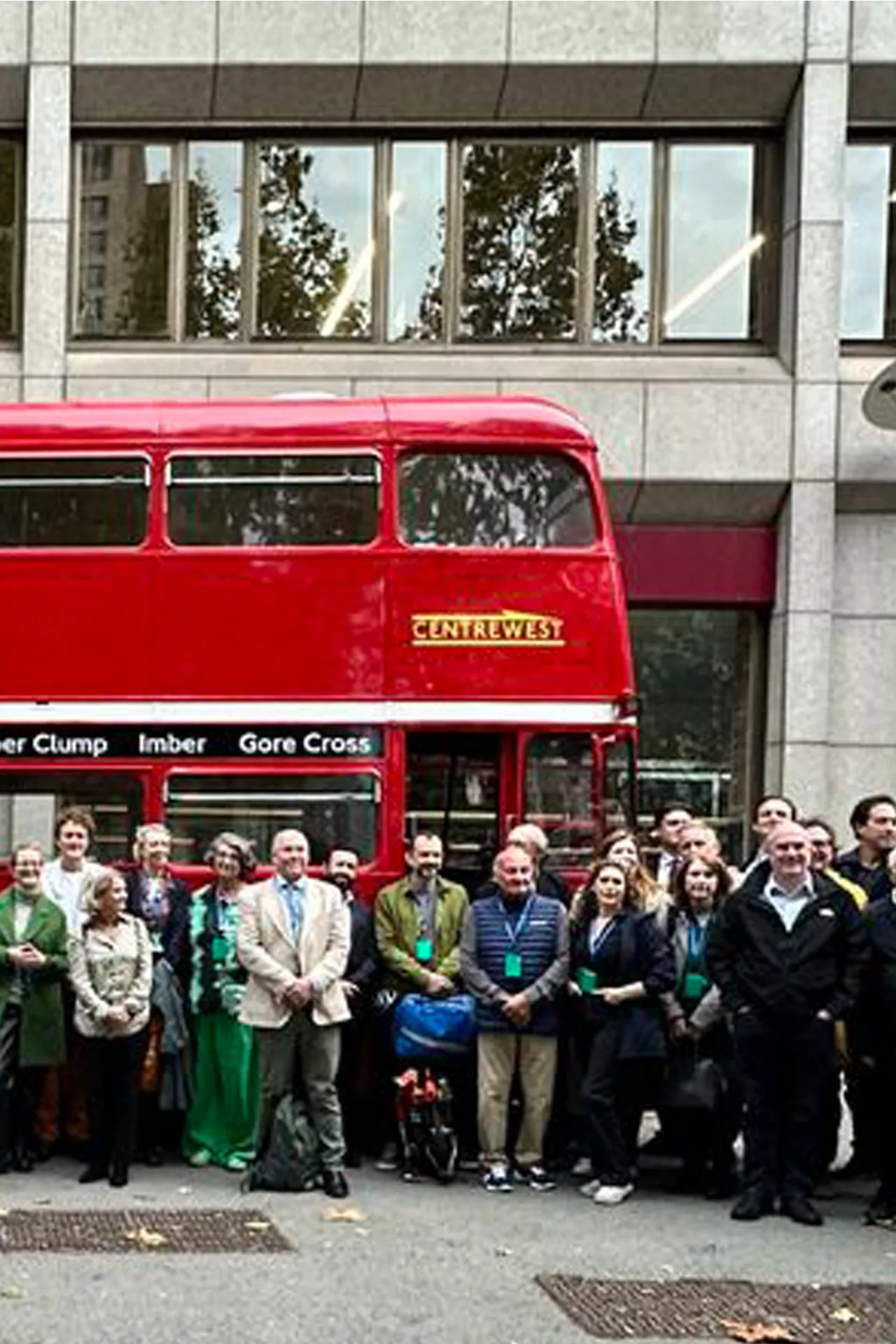
Recently, a group of colleagues from LJA visited Liam Young’s In Other Worlds at the Barbican, an exhibition exploring diverse visions of a post-apocalyptic future shaped by climate change and the increasing role of technology and machines in our lives.
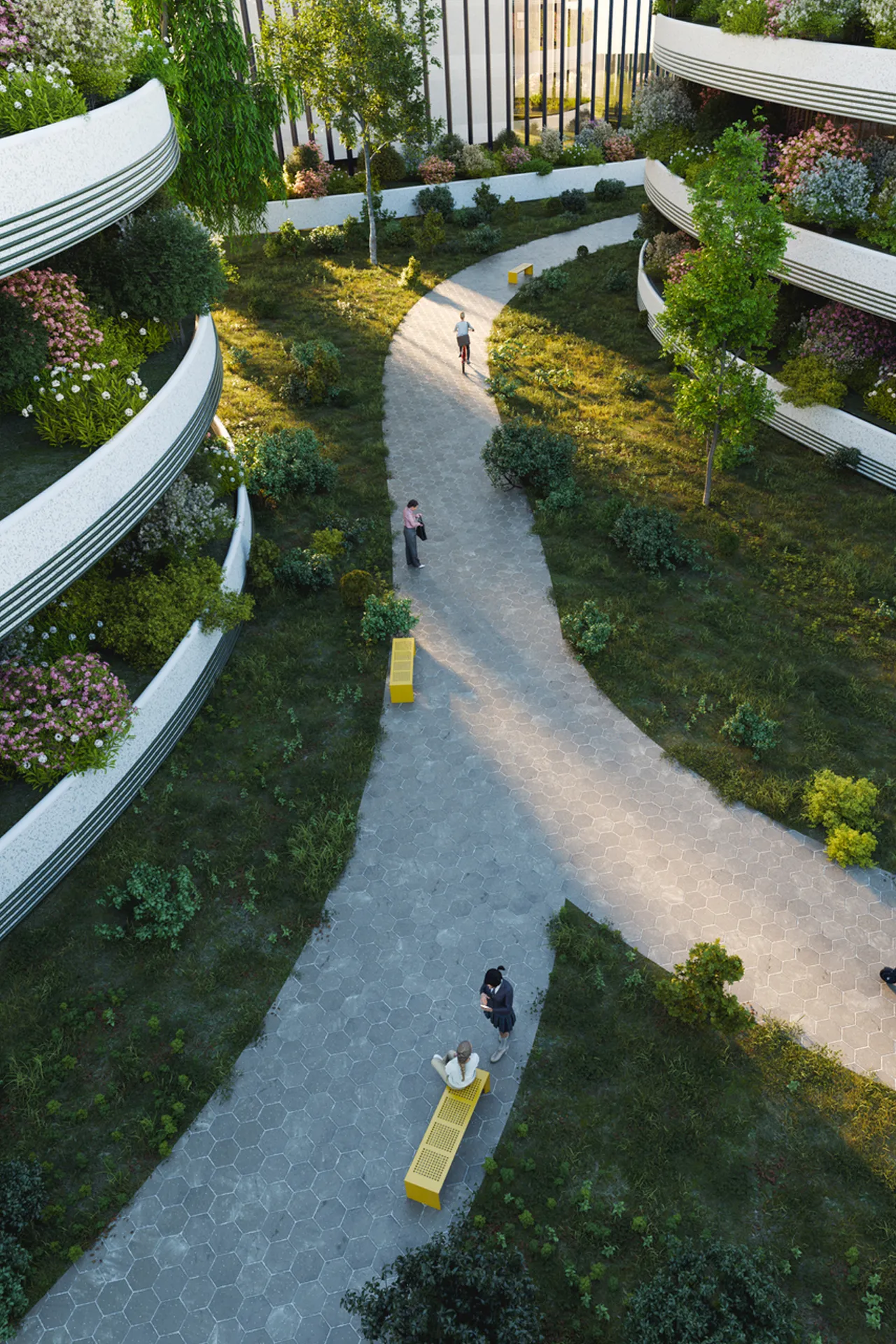
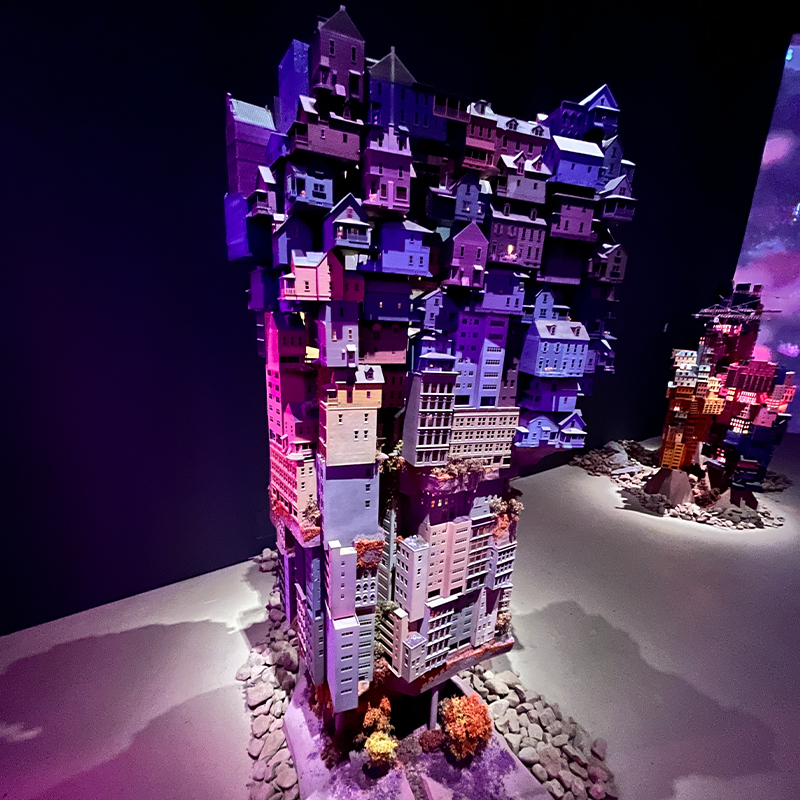
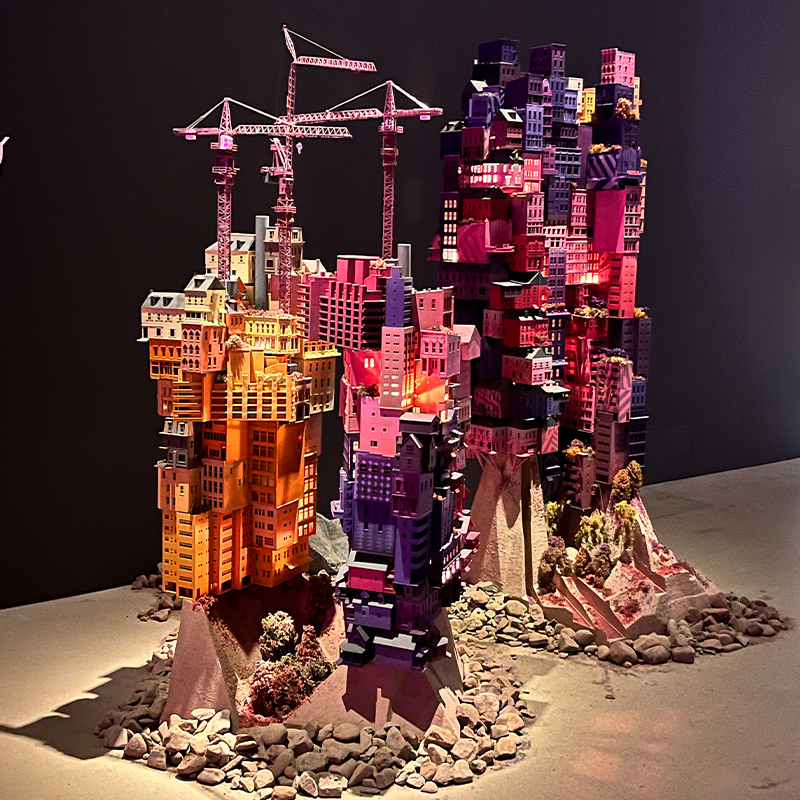
One of the most striking concepts presented was an incredibly idealistic vision of humanity relocating to a single area of the planet, allowing the rest of the Earth to recover and regenerate naturally. In this future, people live in a vast, multi-level metropolis built among rocks and clouds. As an architect, this idea immediately captured my imagination. I found myself wondering what it would be like to live in such a city and how it would address fundamental challenges such as access to daylight, water supply, waste management, and overall quality of life. Most importantly, would such a radical solution truly achieve its goal of restoring nature and stabilising the climate?
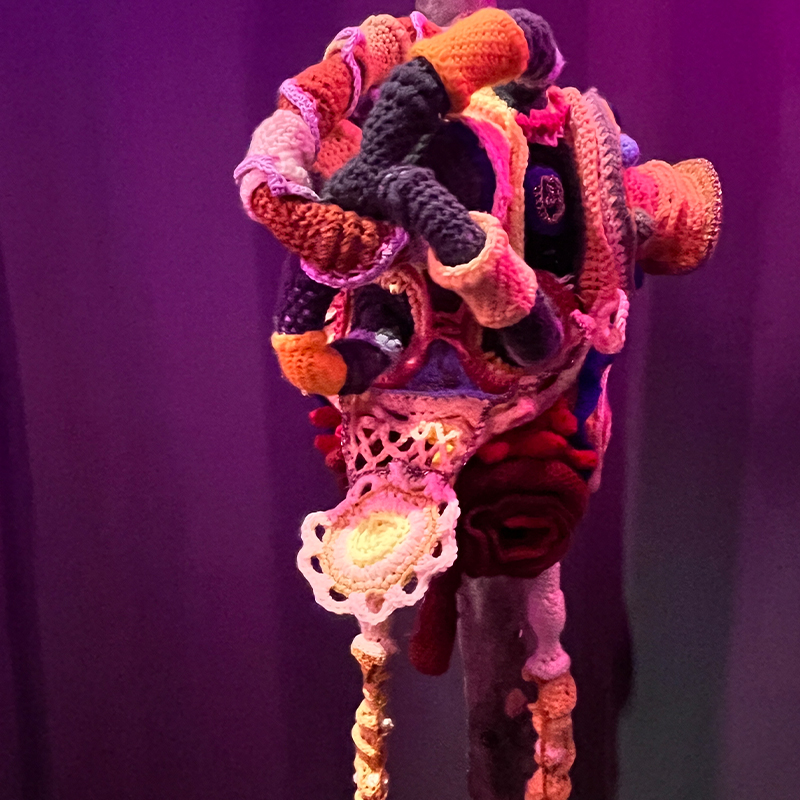
The first part of the exhibition focused largely on dystopian science-fiction scenarios. Given current global events and environmental concerns, many of these futures felt surprisingly easy to imagine. Alongside the vision of a concentrated human metropolis, the exhibition presented worlds in which Earth is occupied and managed by highly sophisticated thinking machines and robots, as well as futures where communities have adapted to life on the water in response to rising sea levels. Visitors could also explore concepts for the clothing and costumes of future societies, giving a glimpse into how people might adapt their lifestyles and identities in radically changed environments. These stories were brought to life through immersive audio narratives and stunning cinematic films created using realistic animation technologies, making each vision feel vivid and believable.
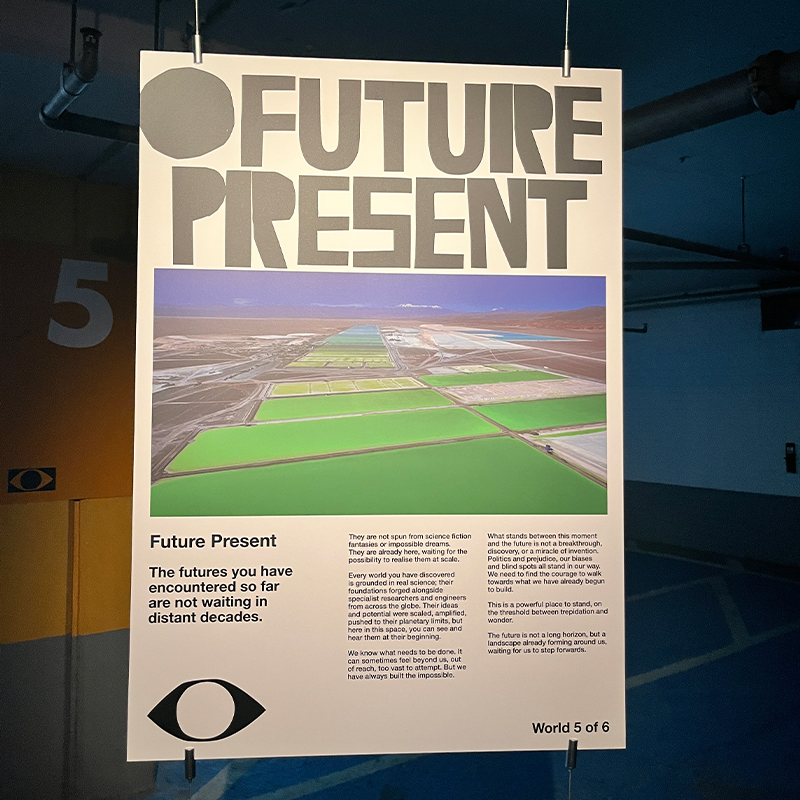
In contrast, the second half of the exhibition offered a more hopeful perspective. Beautifully produced films showcased the innovative work already being undertaken to combat climate change, from lab-grown tuna and alternative food production to advances in geothermal energy generation.
The exhibition was a fascinating and thought-provoking experience, particularly as it coincided with yet another summer marked by record-breaking temperatures. It served as both a reminder of the challenges we face and an inspiring glimpse into the creativity, innovation, and ambition being applied to developing solutions for a more sustainable future.
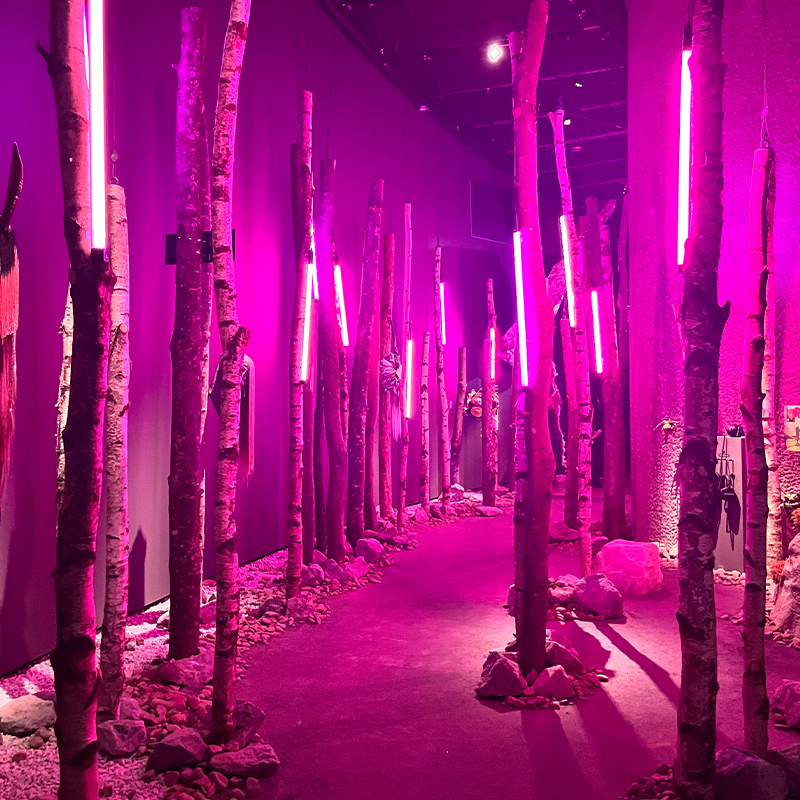
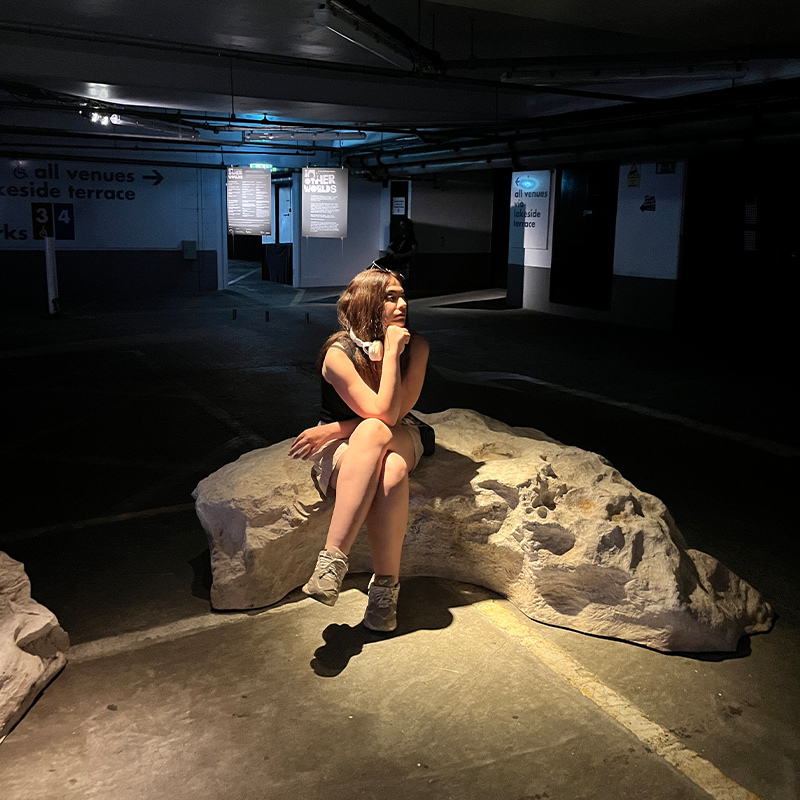
Please enjoy some of the photos from our visit, capturing our team immersed in the exhibition’s imaginative worlds.