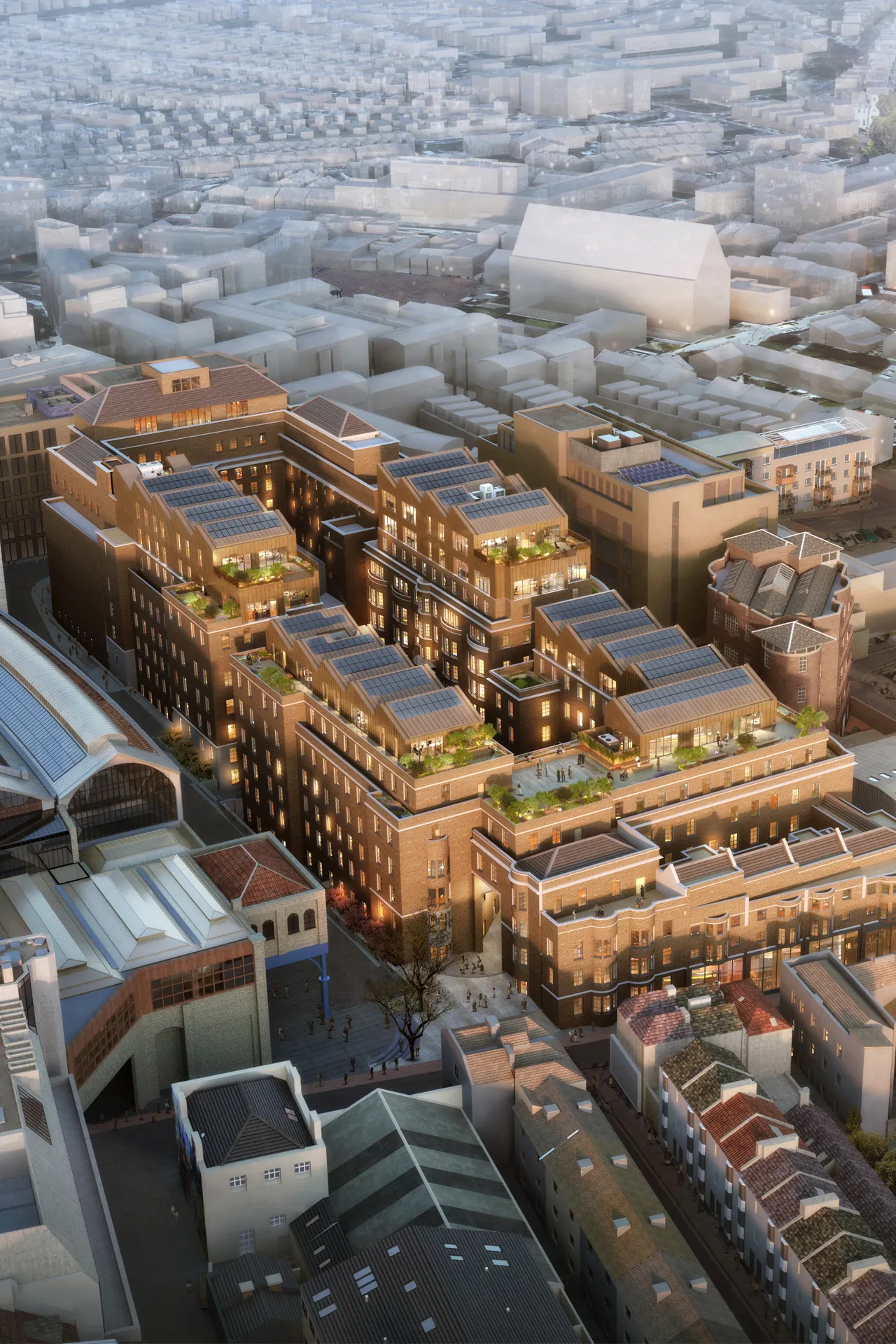
Recognising the Black Voices Shaping Our Built Environment

Contributors
- Chun-Li Reid (Graphics and Part 2 Architectural Assistant)
As we approach the end of Black History Month, we want to recognise the individuals shaping the built environment and the role they play in creating the places and spaces we live in and love.
With Black professionals representing just 1% of the architecture profession, as stated by the Architects Registration Board (ARB), there is still progress to be made in creating a more diverse and inclusive industry.
As a practice that values diversity and inclusion, we want to highlight the Black architects, designers and built environment professionals whose work, stories and contributions continue to shape our surroundings. Their impact deserves to be recognised and their contributions remembered.
Black Females in Architecture – Advancing Representation in the Built Environment
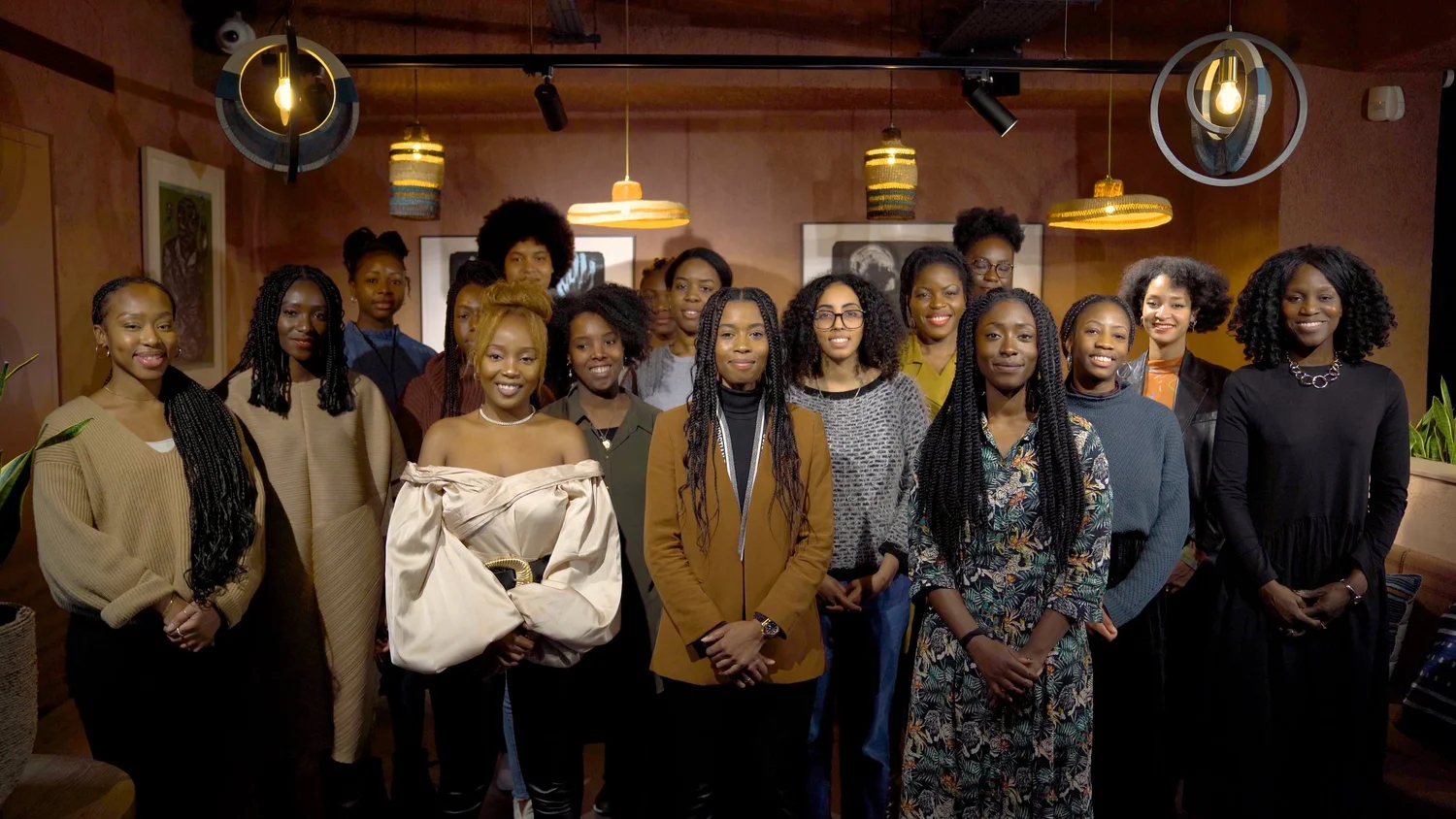
Black Females in Architecture (BFA) is a social enterprise and membership organisation established to connect, support and advocate for Black women across the architecture, design and construction sectors. Through its work, BFA seeks to address barriers to representation, amplify professional voices and ensure that the contributions of Black women to the built environment are recognised.
Founded by four women with a shared vision, BFA has grown into a network of over 500 members, with new members joining each week. Now led by Co-Directors Selasi Setufe and Neba Sere, the organisation continues to broaden its reach through spatial practice, cultural programming and community-led design.
By championing greater representation and challenging established industry norms, BFA is helping shape a more equitable future for architecture and the built environment, ensuring that Black women have a stronger voice in the design of the spaces, places and communities that define our cities.
Yinka Ilori – Multidisciplinary Artist and Designer

Yinka Ilori is a multidisciplinary artist and designer known for his bold, vibrant designs across furniture, public installations and graphic design. Drawing inspiration from his British-Nigerian heritage and the childhood proverbs he grew up with, his work blends cultural storytelling with contemporary design, leaving a distinctive mark on the built environment.
He began his career by upcycling vintage chairs and transforming them into striking, abstract art pieces. Since then, his practice has expanded to large-scale public installations and architectural collaborations, bringing colour, creativity and cultural identity into public spaces.
In recognition of his contributions to art and design, Ilori was awarded an MBE.
Khadambi Asalache – Architect, Artist and Craftsman
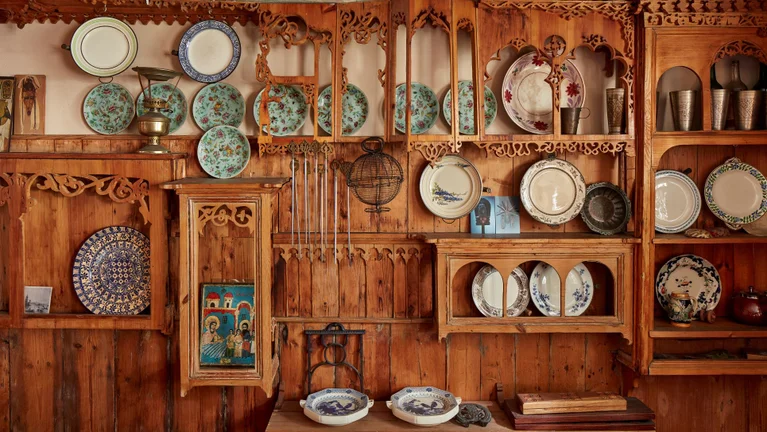
Khadambi Asalache was a Kenyan-born poet, novelist, philosopher of mathematics and British civil servant whose architectural training and artistic vision came together in the transformation of his London home. Born in 1935 in Kaimosi, western Kenya, he studied architecture at the Royal Technical College in Nairobi before travelling to Rome, Geneva and Vienna to study fine art.
After settling in London in 1960, Asalache worked for the BBC African Service before joining the Treasury. Alongside his professional career, he embarked on an extraordinary architectural project, spending nearly 20 years transforming his Grade II listed home in Lambeth into a highly individual work of art.
Using reclaimed pine, he painstakingly hand-carved intricate fretwork and decorative motifs, integrating them into the walls, doors and interiors of the house. His approach combined architectural principles, material reuse and fine craftsmanship, creating a distinctive relationship between structure, ornament and space. Rather than relying on symmetry, Asalache carefully balanced patterns and proportions to give each room its own character.
Now cared for by the National Trust, 575 Wandsworth Road stands as a remarkable example of architecture as personal expression, demonstrating how thoughtful craftsmanship, materiality and an individual design vision can transform a historic building into a unique architectural legacy.
Francis Kéré – Architect and Pioneer of Sustainable Design

Francis Kéré is an internationally renowned architect born in Burkina Faso, recognised for his innovative approach to sustainable design and community-led construction. His architectural philosophy is rooted in a commitment to improving the lives of the communities he grew up in, alongside a belief in the transformative power of beauty.
Kéré gained international recognition for his schools and healthcare facilities across Africa, which respond to their local contexts through the thoughtful use of materials, climate-responsive design and traditional building techniques. Working closely with local communities and making effective use of limited resources, his projects demonstrate how architecture can deliver meaningful social impact.
In 2022, Kéré became the first Black architect to receive the prestigious Pritzker Architecture Prize in its 43-year history, marking a significant milestone in the recognition of his contribution to global architecture.
Tosin Oshinowo – Architect and Designer

Tosin Oshinowo is a Lagos-based Nigerian architect and designer recognised for her residential and commercial projects, as well as her socially responsive approach to architecture and urbanism. Her work explores how the built environment can respond to local contexts while contributing to more inclusive and equitable communities.
Before establishing Oshinowo Studio, she gained international experience at Skidmore, Owings & Merrill in London and the Office for Metropolitan Architecture (OMA) in Rotterdam. In 2008, she was part of the team that developed the proposal for Lagos’s Fourth Mainland Bridge. After returning to Nigeria, she joined James Cubitt Architects, where she led significant projects, including the masterplan and corporate headquarters for Nigeria LNG in Port Harcourt.
Drawing inspiration from Yoruba traditions and the wider language of international architecture and design, Oshinowo’s work extends beyond the creation of buildings and spaces. Her approach positions architecture as a means of addressing social and urban challenges, shaping places that reflect cultural identity and contribute to a more equitable shared future.